
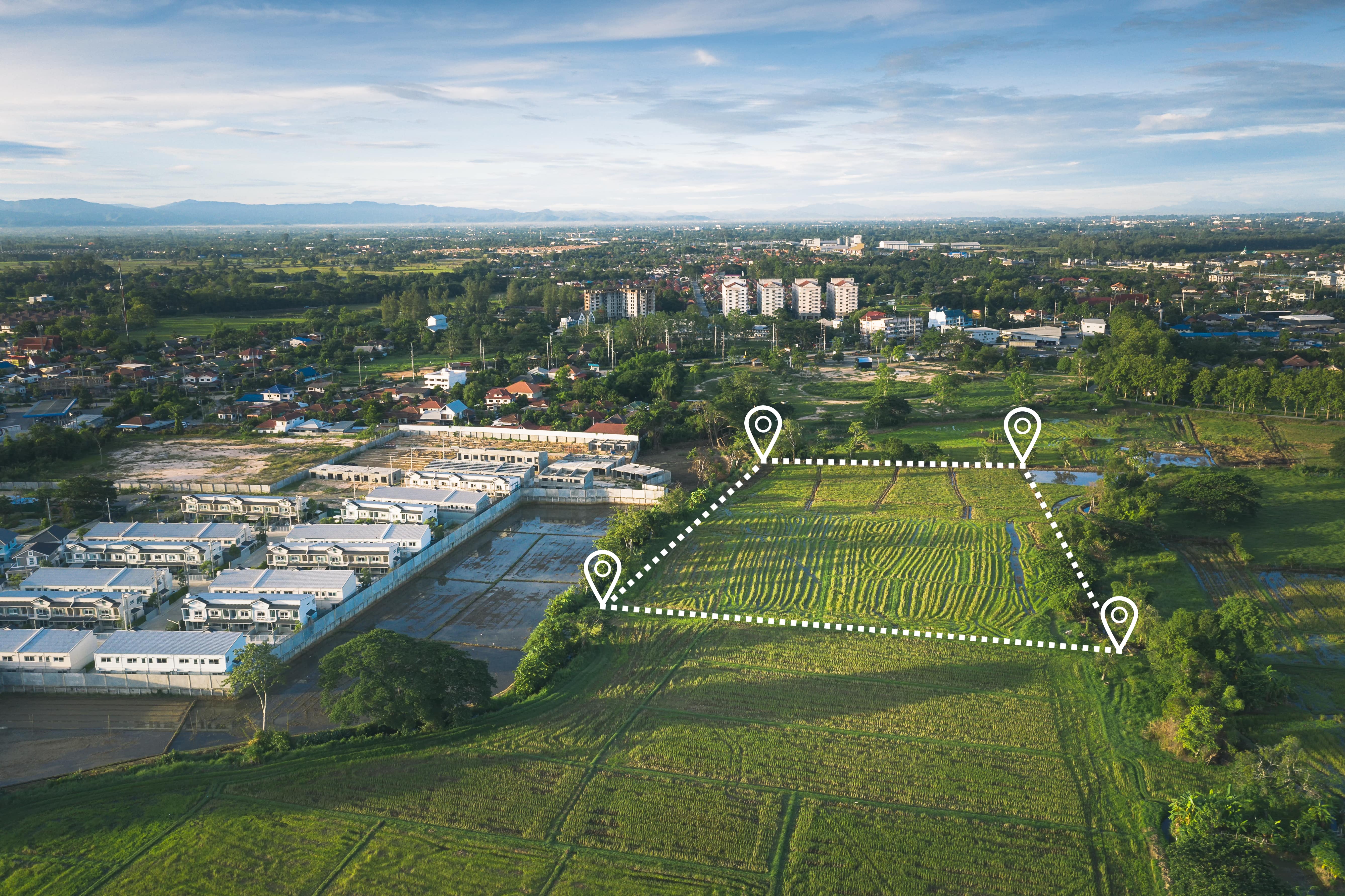
If you own undeveloped land in South Dakota and you’re ready to cash it out, knowing the right approach can make all the difference. Many landowners ask themselves: “How do I sell my land in a way that’s fast, fair, and low-stress?” In this article, you’ll discover practical steps, insider tips, and what to expect when selling rural acreage in South Dakota.
Why Landowners Choose to Sell Their Land
First, let’s talk about what drives people to decide to sell their land:
- Liquidity needs. You might have debt, medical bills, or a new opportunity that requires cash now rather than later.
- No longer want the burden. Land, even undeveloped, has costs: taxes, insurance, liability, potential maintenance.
- Inherited or unwanted property. Many people inherit acreage they don’t use or don’t live near—and it can make more sense to sell.
- Changing life situations. Relocation, retirement, downsizing—any of these can lead you to think “I should sell my land.”
- Limited demand. In remote or rural areas, traditional buyers might be scarce, making the typical listing path longer and more uncertain.
The key is choosing a sale method that matches your priorities: speed, certainty, or maximizing price.
Understand the South Dakota Land Market
Before you list, it’s smart to understand local conditions that affect land value and sale speed in South Dakota:
- Rural and agricultural focus. Many tracts are farmland or remote acreage. Buyers tend to be other farmers, ranchers, investors, or recreational buyers.
- Topography, access, and utilities matter. Land that’s easy to reach or already has road access or utility connections will draw stronger interest.
- Zoning and use rules differ by county. Each county has its own regulations about what you can do with land (agriculture, residential, conservation, etc.).
- Title, liens, and tax history. Clear ownership, no unresolved liens or unpaid taxes, and accurate legal descriptions are essential to a clean sale.
- Smaller buyer pool for raw land. Unlike houses, vacant land appeals to fewer buyers—so the process can take longer unless you find the right market or a specialized buyer.
Having a realistic sense of what’s in demand, what buyers care about, and what the risks are will help you structure your sale well.
Methods to Sell My Land in South Dakota
You have several routes you can take when you want to sell your land. Each has pros and trade-offs:
Traditional Listing via Real Estate Agent
You can list the land on the open market with an agent who markets it, shows it, and negotiates with buyers. That path often yields the highest possible price—but can take a long time, incur commissions, and involve many contingencies.
For Sale by Owner (FSBO)
If you prefer hands-on control, you can try selling it yourself. You handle listing, marketing, showing, and negotiations. This saves on commission but places all the risk and work on you.
Working with a Land Buyer / Cash Buyer
This is a growing favorite among rural landowners. A buyer focused on raw land purchases offers you an all-cash deal—no financing, fewer contingencies, and often a faster closing. If you decide you want to sell my land quickly and with predictability, a cash buyer is often the best path.
Auction or Bid Process
In some regions, especially with farmland or large acreage, auction or sealed bid sales can generate competitive offers, but they require careful planning, marketing, and timing.
The method you choose depends on how quickly you want the sale, how much work you’re willing to do, and how much you want to maximize price.
Step-by-Step: How to Sell My Land Efficiently
Here is a recommended roadmap if your priority is to sell your land smoothly:
- Gather all documents and data.
Legal description, deed, surveys, tax records, any easements, pictures of access, topographical maps, etc. - Evaluate land strengths and challenges.
Access roads, slopes, utility availability, flooding risk, and soil or terrain issues. - Get multiple offers (or quotes).
Whether from real estate agents, private buyers, or cash land buyers, comparing offers gives you leverage. - Vet your buyers.
Especially for cash buyers: check their reputation, clarity in terms, and that they provide written offers. - Negotiate terms clearly.
Focus on who pays closing costs, how title or liens are handled, and the timeline for closing. - Due diligence and title work.
Buyer (or both parties) will check title, confirm ownership, clear liens, and ensure all legal documents are in order. - Closing, transfer, and payment.
You sign the deed, title transfers, and you receive funds (often via wire or check).
When done right, the process from start to finish might take a few weeks—far faster than some drawn-out land listings.
What a Buyer Will Consider When You Want to Sell My Land
When evaluating your land, any serious buyer will look at key factors:
- Comparable land sales in your county or region
- Road access or easements to reach the property
- Utility availability or distance to hookups
- Terrain: flat, sloped, rocky, wetlands, or forest
- Zoning restrictions or permitted uses
- Title condition: liens, easements, encumbrances, unpaid taxes
- Risk and cost of making the land saleable (clearing brush, improving access)
If you understand how these variables work, you’ll be in a stronger position to negotiate or evaluate offers.
Advantages & Trade-Offs of Using Cash Buyers vs. Traditional Sales
Here’s how the cash buyer route stacks up compared to traditional listings when you want to sell my land:
Advantages of cash buyers:
- Faster timeline, often weeks instead of months
- Less risk of deals falling through due to financing
- Less work on your part—no staging, showings, or heavy marketing
- Often “as-is” acceptance, so you don’t have to do improvements
- Simpler contract and fewer contingencies
Trade-offs / disadvantages:
- Offers are likely lower than the highest retail buyer might pay
- Less room for haggling
- You may miss a niche buyer who sees premium value
- Must be cautious about unscrupulous “buyers” promising too much
If your priority is certainty and speed over squeezing out every dollar, the cash buyer path often makes the most sense.
Tips to Maximize What You Get When You Sell My Land
Here are actionable tips to improve your result:
- Be transparent. Disclose known issues early: flooding, access problems, easements, soil quality, or title history.
- Supply the right materials. Surveys, aerial photos, boundary stakes, topographic maps—all help reduce buyer risk.
- Get more than one offer. Competition tends to raise offers or improve terms.
- Negotiate closing costs. Ask who pays for title work, recording fees, transfer taxes, or settlement fees.
- Set your timetable. If you have a target closing date, make sure the buyer can meet it.
- Involve a trusted attorney or title company. Even in cash deals, you want legal clarity in documents.
These steps show buyers that you’re prepared and serious—and that often results in better offers.
Special Considerations for South Dakota
A few state-specific things to keep in mind in South Dakota:
- Agricultural land assessments. Some South Dakota counties allow property owners to apply for agricultural land adjustment to reduce assessed value if productivity is affected. South Dakota Department of Revenue
- Farm ownership and corporate restrictions. South Dakota law has some rules about farm ownership by entities or foreign ownership—so a buyer must comply. National Agricultural Law Center
- Paperwork essentials. You’ll need a purchase agreement, title report, deed, and ideally a survey. A property survey is strongly recommended though sometimes optional. haystackland.com+1
- State real-estate rules. Even though you may sell land without a house, in some counties real estate regulations apply, so understand consumer disclosure requirements and transfer rules.
Paying attention to state and county rules will help prevent legal or procedural surprises.
What to Expect: Timeline & Realistic Outcomes
If everything goes smoothly, here’s a rough expectation:
- Initial contact & offer generation: 1–4 days
- Review and negotiation: 1–3 days
- Due diligence & title work: 3–10 days
- Closing & payment: 1–3 days
Total time: around 7 to 20 days, assuming nothing unexpected arises.
On the financial side, expect a cash offer to come in somewhat below full retail market value. That’s the trade-off for speed, certainty, and less hassle.
Final Thoughts
If you own acreage in South Dakota and are ready to sell my land, doing so doesn’t have to be a long, frustrating ordeal. With the right preparation and approach:
- Know your property’s strengths, challenges, and value drivers
- Consider multiple sale paths but weigh priority of speed vs maximum price
- Prepare critical documents, maps, surveys, and title info
- Vet buyers—especially those offering all-cash deals
- Be clear on terms: closing costs, timeline, title responsibilities
- Engage legal or title assistance to ensure clean transfer
When done right, turning your land into cash can be both efficient and satisfying. If you’d like help evaluating offers, choosing a buyer, or preparing paperwork, I’m happy to assist—just let me know.