
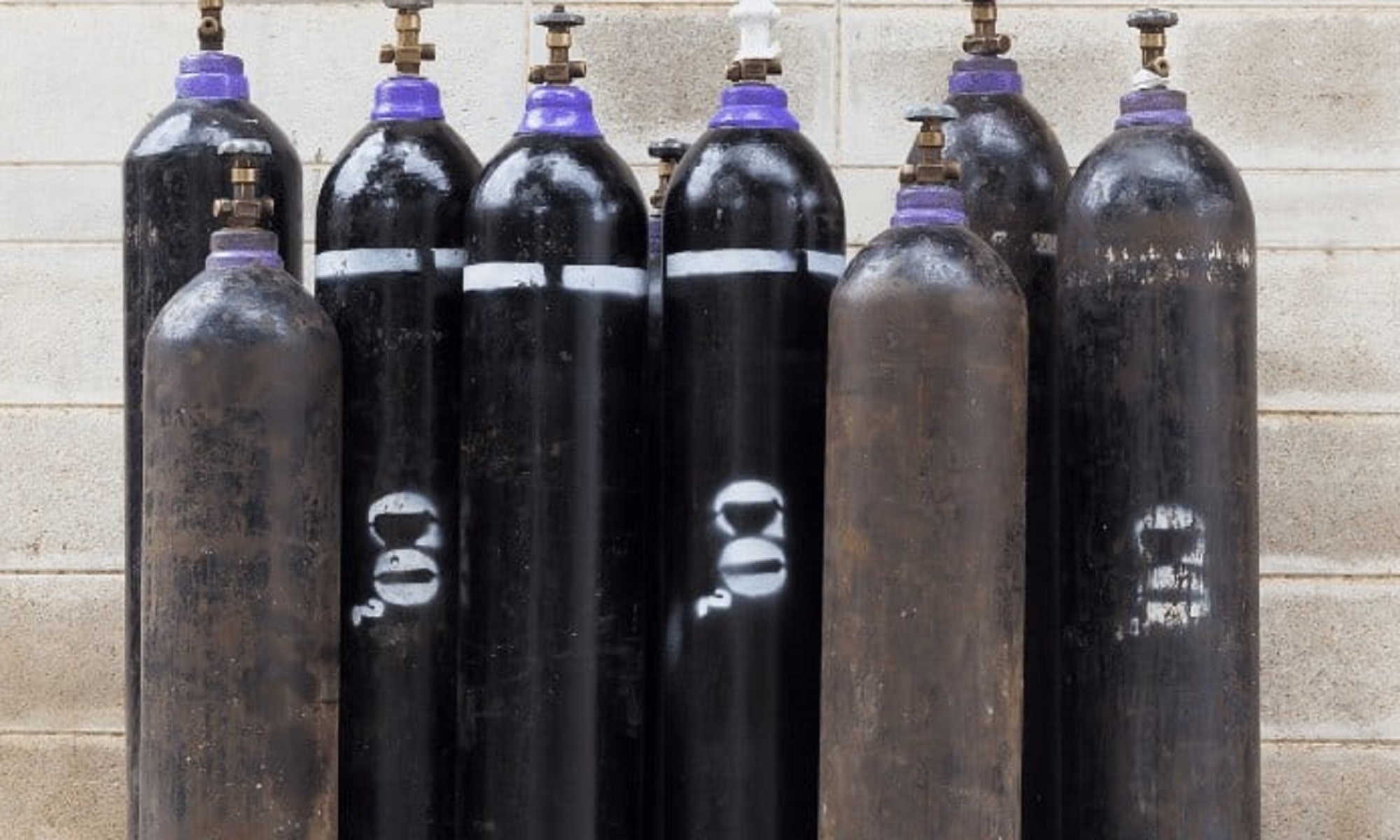
Carbon dioxide (CO₂) is essential across industries such as enhanced oil recovery, some manufacturing sectors, chemical processing, and energy production. While industrial demand continues to rise, companies are increasingly focusing on strategic partnerships with suppliers to ensure a steady supply of high-quality CO₂. Picking the right supplier is more than just a procurement decision; it affects operational efficiency, compliance with safety standards, the overall budget, and the economy of projects.
This article examines the key factors companies should consider when selecting CO₂ gas providers to improve oil recovery and support industrial operations.
Understanding the Role of CO₂ in Enhanced Oil Recovery
Enhanced oil recovery, or EOR, is being applied to extract more oil from mature reservoirs that are no longer producing with the first and second methods. In CO₂-EOR, people inject carbon dioxide into oil reservoirs. CO₂ mixes with crude oil there, making the oil lighter and easier to move toward the production well.
CO₂ is frequently injected into a reservoir at high pressure, where it can enter a supercritical state, increasing the efficiency with which oil can move and be recovered compared to conventional techniques. Currently, CO₂-EOR is widely used in the oil industry and supports carbon management by using captured factory emissions. Since gas is directly injected into the reservoir, maintaining consistent quality and purity with a strong source is a key factor in selecting a CO₂ supplier.
Importance of CO₂ Purity and Quality
One important factor in choosing a CO₂ supplier is the gas’s purity. For advanced oil recovery projects, you will find CO₂ purity usually between 95 and 99 per cent by volume, but this depends on the reservoir’s characteristics or operational requirements. There are impurities such as water, nitrogen, oxygen, and even hydrogen sulphide that are affecting injection performance and equipment integrity. For example, oxygen levels in water need to be lowered to very low levels, maybe down to 10-50 ppm, to avoid corrosion and problems with pipelines and injection equipment.
Research has demonstrated that impurities in CO₂ flow can reduce oil extraction efficiency and alter reservoir behavior. Certain computer simulations with varying impurity levels show that surface tension at the oil-gas interface increases significantly, while sweepability decreases, resulting in lower oil recovery rates.
So, companies need to focus on suppliers, maintain strict control over quality standards, and set steady gas-purity requirements.
Supply Reliability and Infrastructure
CO₂-EOR operations need ongoing access to large quantities of carbon dioxide for an extended time. Even small disruptions cause breaks in the injection cycle, reducing recovery efficiency and increasing operational costs. Because of this, companies should take care to check suppliers’ structures, such as CO₂ production sites, transport systems, pipelines, storage and compression capabilities, and plans for backup supply during emergencies.
Many of the larger EOR projects depend on old CO₂ pipelines to transport gas from natural reservoirs or industrial plants to oil fields. Providers with strong logistics and infrastructure can ensure consistent delivery, supporting stable operations in the long term.
Source of CO₂ Supply
The origin of CO₂ is another critical consideration. Industrial CO₂ suppliers typically obtain gas from several sources:
- Natural CO₂ reservoirs – underground deposits of carbon dioxide.
- Industrial by-products – captured from power plants, refineries, or chemical facilities.
- Carbon capture and utilisation (CCU) systems – CO₂ captured during industrial processes and reused.
In recent years, carbon capture has become more important in the energy sector. Captured CO₂ from industrial sources can be cleaned, compressed, and transported for use in the EOR process or other applications.
Choosing suppliers that leverage carbon capture technologies can support sustainability initiatives while also providing a stable supply of industrial CO₂.
Regulatory Compliance and Safety Standards
CO₂ handling, movement, and putting into underground activities work through strict rules. Providers must comply with environmental regulations, pipeline safety requirements, and industry best practices to ensure safe and effective operations. Main priorities in compliance include checking gas purity documents, documenting safety rules for transporting and storing gas, following environmental impact reports, and ensuring full compliance with pipeline and injection process rules.
Organisations need to work with suppliers who keep documents open and respect industry-standard practices. This step improves operational governance, reduces potential risks, and helps obtain regulatory approval more easily in the enhanced oil recovery (EOR) project process.
Cost Efficiency and Long-Term Contracts
Although quality and reliability are essential, cost efficiency is greatly influenced by the choice of a CO₂ supplier. CO₂-EOR projects often run for many years, so the costs of procurement must be kept at a sustainable level in the long term. Companies need to review price structures, long-term contract options, transport and compression costs, infrastructure investment, and operational work or maintenance expenses.
Numerous companies make strategic partnerships with suppliers through long-term deals. These help stabilise prices, keep a stable supply of CO₂, and support operations that save costs over the whole project timespan.
Technical Expertise and Support
In addition to providing CO₂, main providers often provide technical advice to support project development and optimise operations. That type of help can include reservoir analyses, gas injection planning, optimising gas compositions, designing compressors and pipeline systems, monitoring projects, and conducting performance evaluations. Suppliers with strong technical skills support oil producers in developing more effective injection strategies, thereby improving recovery efficiency and supporting the evaluation of overall project results. Their technical knowledge can also be used for some carbon storage plans integrated with EOR operations.
Industrial Applications Beyond Oil Recovery
Enhanced oil recovery accounts for a large share of CO₂, but many sectors also depend on a steady flow of this gas. CO₂ for industry is used mostly for chemical production, carbonated drinks, food production, metal production, refrigeration, and pharmaceutical production. Since CO₂ benefits more industries, suppliers serving diverse sectors often need to maintain large production and distribution systems. Such variety improves supply stability, and suppliers can scale up production more efficiently as demand increases.
Conclusion
Selecting a proper CO₂ gas provider is a strategic decision that influences the effectiveness of enhanced oil recovery and other industrial processes. Important considerations include gas purity, availability, infrastructure, regulation, and know-how.
A reliable manufacturer can assure you of uniform quality, safe operation, and cost performance. As demand for CO₂ from new source (carbon capture) technologies grows, vetting suppliers helps companies secure reliable supply chains for EOR and industrial applications.